Project overview
This website presents the design, intent, and delivery framework for the Liga Independente de Tacobol da Quebrada (LITQ). It has been developed as a practical, culturally grounded response to how sport is already played, shared, and learned in Brazilian public spaces—particularly by young people from peripheral and under-resourced communities.
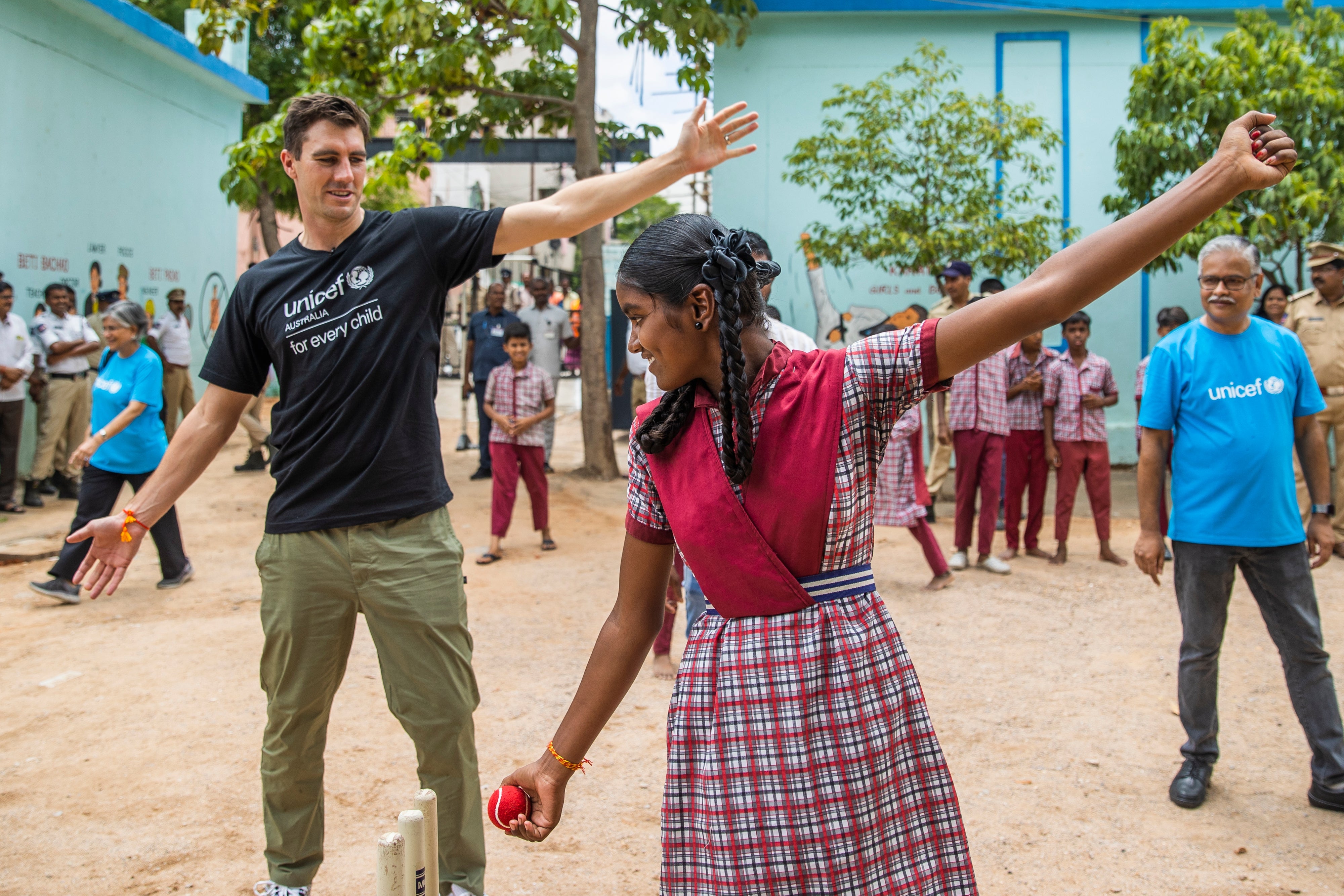
At its core, LITQ recognises that cricket does not need to be imported into Brazil as a finished product. Instead, it can be rediscovered through games that already exist. Across Brazil, taco, bets and tacobol has long functioned as a national street game—played instinctively with bats, improvised wickets, and negotiated rules. Similarly, in other cricket cultures, the sport’s deepest roots are informal: Australian backyard cricket and Indian gully cricket are not marginal versions of the game, but its cultural engine rooms.
In Australia, backyard cricket has historically been the social glue of family gatherings, holidays, and neighbourhood life. It is where creativity, fairness, and self-officiating are learned before technique. In India, gully and tennis-ball cricket have produced generations of players who learned accuracy, variation, and resilience in tight spaces long before entering formal systems. In Brazil, taco occupies a comparable role—played everywhere, owned by everyone, and transmitted socially rather than institutionally.
The Liga Independente de Tacobol da Quebrada deliberately positions itself at the intersection of these traditions. It does not seek to replace taco with cricket, nor to formalise away its creativity. Instead, it introduces light structure, safety logic, scoring systems, and cricket equipment as tools—while preserving local language, negotiated rule-making, and community sovereignty over how the game evolves. The informal onboarding activity referred to throughout this website as Taco Solto functions as the primary bridge between familiar play and structured match participation.
This approach is especially important in a city like Rio de Janeiro, where many young people of colour and from peripheral communities may feel excluded from white-dominated sports, foreign institutions, or formal clubs. By starting with a familiar game, in Portuguese, in public space, and led by trusted Community Champions, the project creates an environment where participation feels safe, dignified, and socially legitimate.
LITQ is therefore not just a league, but a training ground for belonging. It is a space where young people can play, learn, negotiate rules, argue over scores, eat together, and gradually build confidence—before deciding, in their own time, whether they wish to progress into more formal cricket pathways.
Incubated by Originária, this pilot is designed to test a model that can be repeated, adapted, and ultimately handed over to communities and federations across Brazil. If successful, it demonstrates that the future of cricket in Brazil does not lie in copying overseas systems, but in recognising what already exists and inviting it forward with respect.